
Modern Work Experience
The Government’s work experience ambition is an equitable approach that will facilitate a variety of experiences for learners starting early, connecting education and young people with industry and unlocking the skills and opportunities of the future workforce.
From September 2026, all schools should be reforming their work experience programmes providing a minimum of two weeks’ worth of work experience by Year 11 (during Key Stages 3 and 4), made up of:
- At least one week of work experience activities in Years 7–9
- At least one week of placements in Years 10–11
This ambition will ensure access for all young people, enable flexibility for schools, learners, and employers to design experiences that meet local and individual needs.
This is supported by the equalex framework.
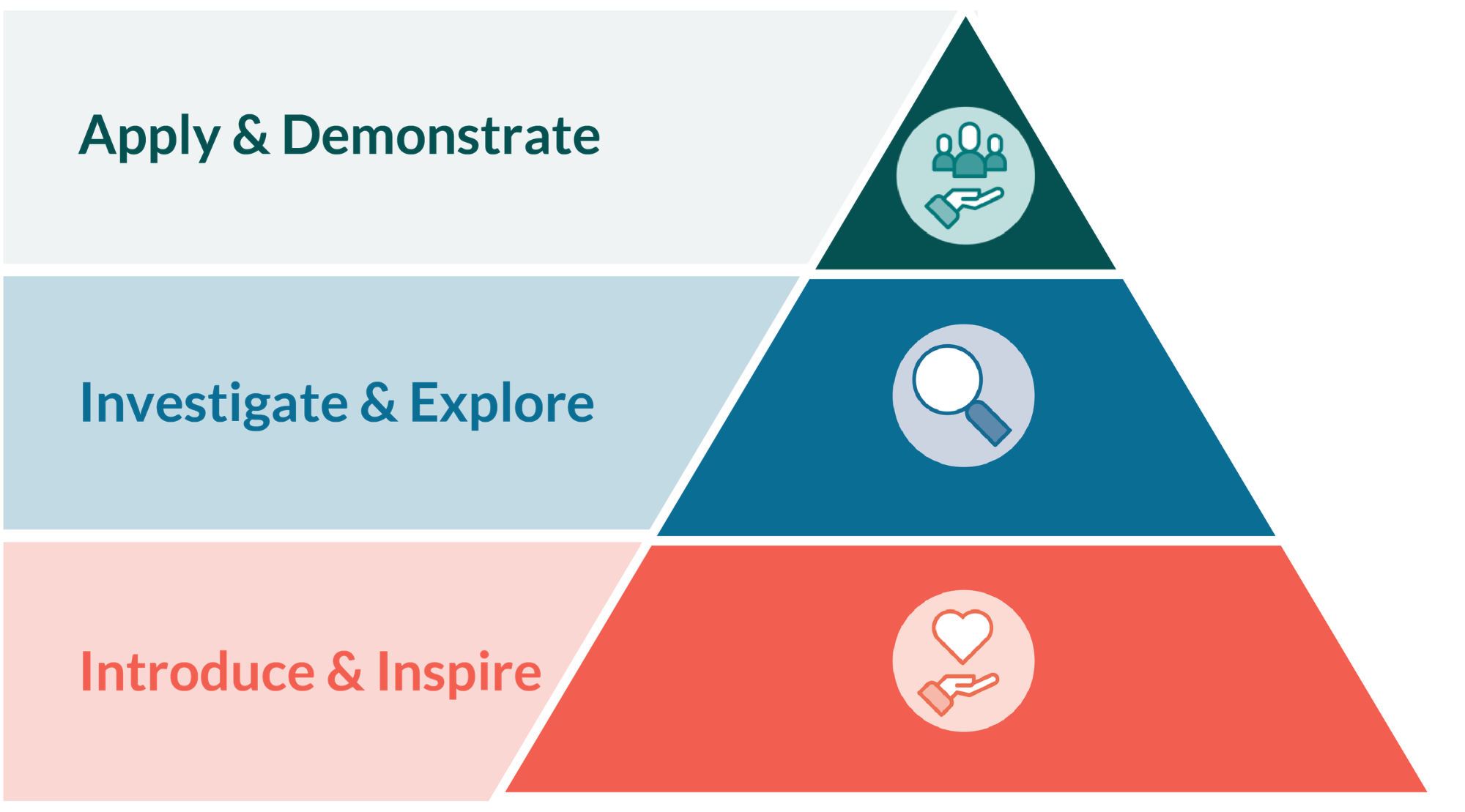
Supported by Open Doors
Purpose: Help young people develop awareness of career opportunities and begin thinking about their own interests, strengths and aspirations.
Key outcomes:
- Increased Opportunity Awareness: learners gain knowledge of different sectors, jobs and workplaces.
- Improved Self-Awareness: learners identify their skills, interests, passions and preferred working styles.
- Inspiration: learners challenge stereotypes, discover role models and broaden their career aspirations.
Supported by Open Futures
Purpose: Enable learners to explore careers in greater depth and understand what skills, pathways and opportunities are available.
Key outcomes:
- Career Readiness: developing essential employability skills and understanding how these apply in different workplaces.
- Exploration of Roles and Responsibilities: understanding job roles, organisations and routes into employment.
- Understanding Growth Sectors and the Changing Economy: learning about labour market trends and future opportunities.
Supported by Work Experience
Purpose: Give learners opportunities to put their knowledge and skills into practice in real or simulated workplace settings.
Key outcomes:
- Applying Knowledge and Skills in the Workplace: learners demonstrate skills, receive employer feedback and reflect on their experiences.
- Learners use workplace experiences to make informed career decisions and articulate their strengths to employers.
- Learners evaluate different workplace experiences, challenge stereotypes and raise aspirations.